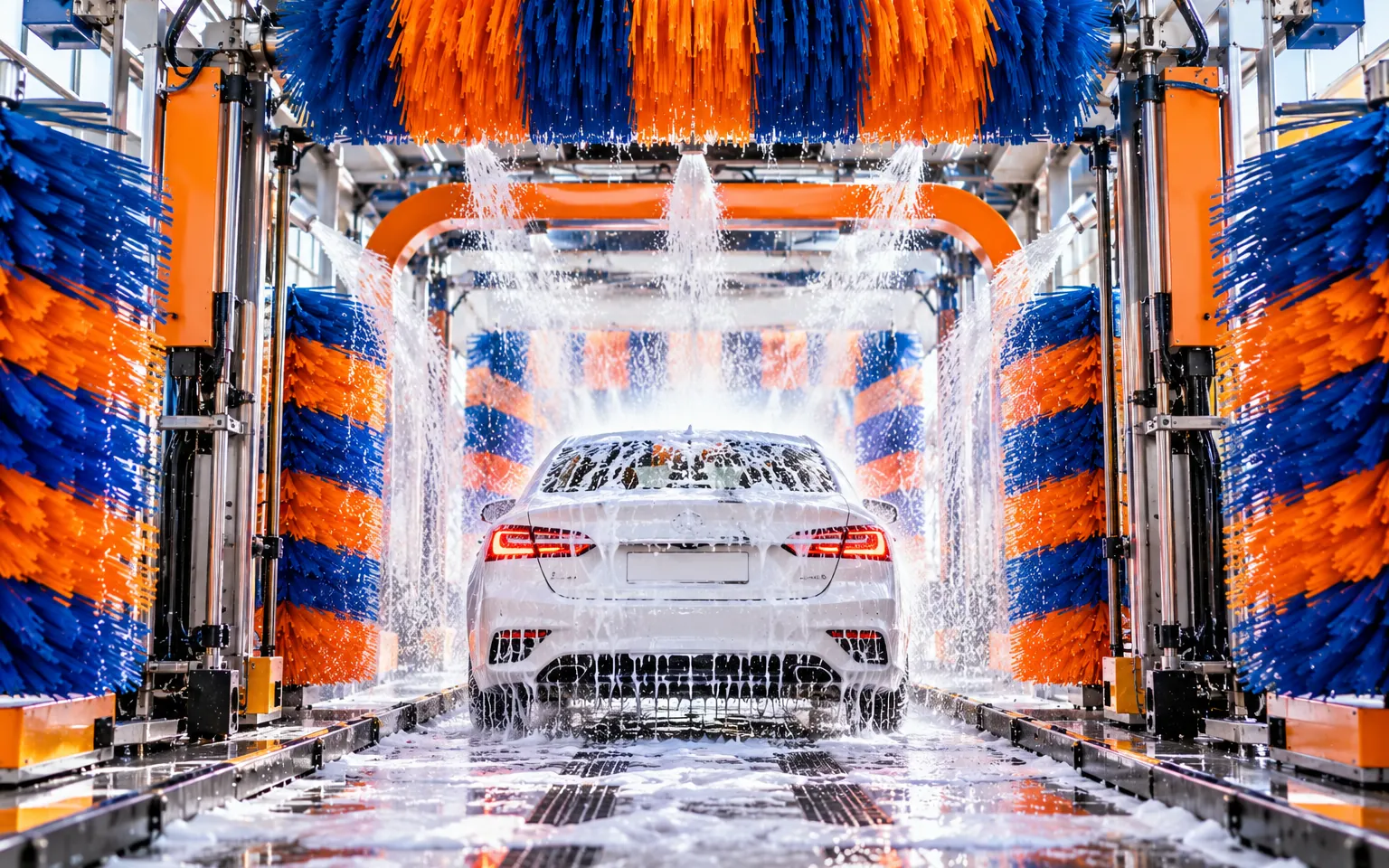
Water management
Water Recycling Technology
Treating and reusing wash water reduces fresh-water draw and helps sites manage discharge within their pollution-control consent.
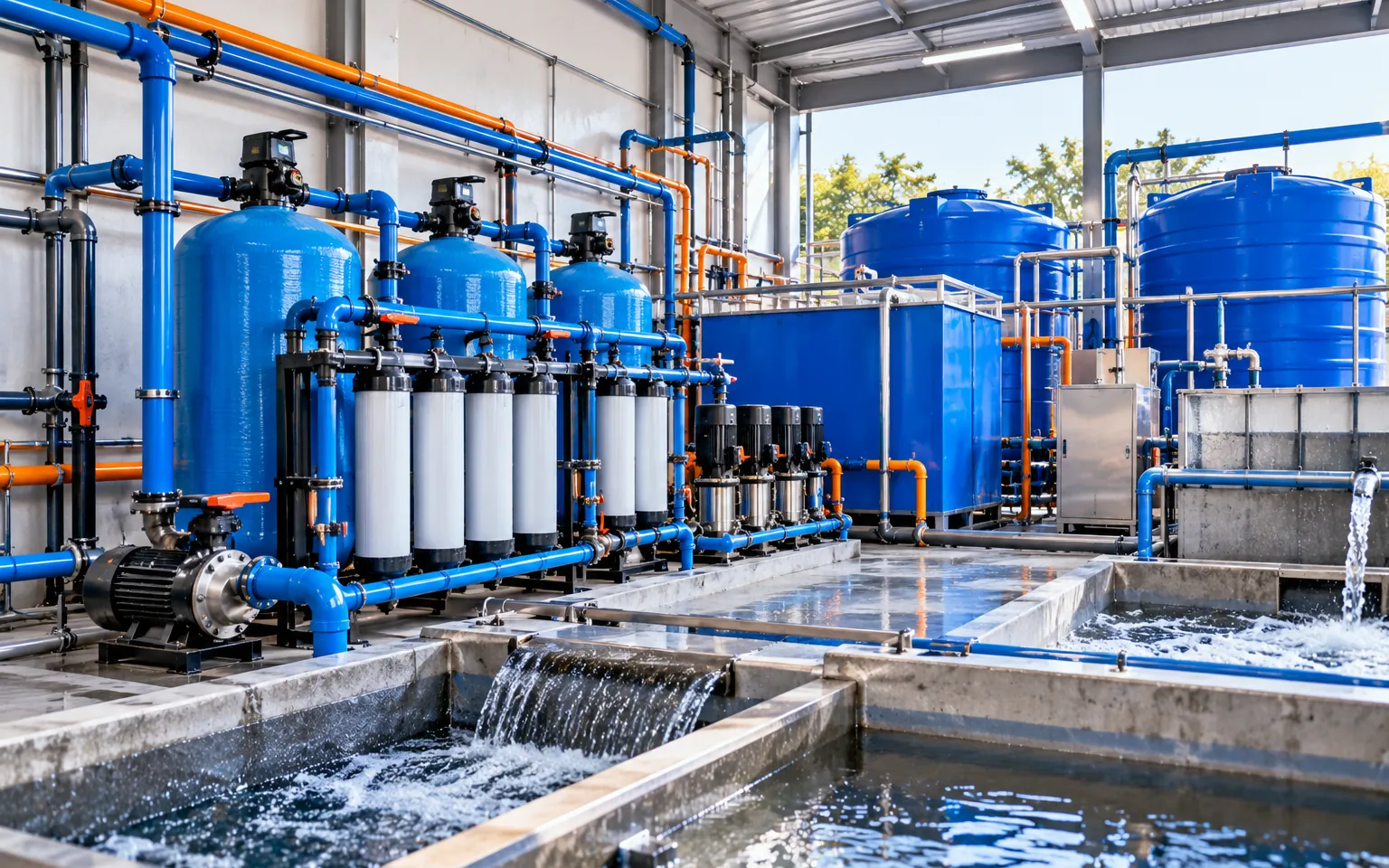
A typical treatment process
- Collection & settlingWash water drains to a collection pit where sand and heavy solids settle.
- Oil separationFloating oil and grease are separated and removed.
- FiltrationFiner suspended particles are filtered out.
- ConditioningDepending on design: odour control, softening or disinfection.
- Storage & reuseTreated water returns to suitable wash stages; fresh water is typically kept for the final rinse.
Treatment stages and achievable reuse are confirmed per configuration and site water quality. DHULWA does not publish water-saving percentages without test data.
Why it matters in India
CPCB classifies automobile service stations in the Orange category, requiring Consent to Establish and Consent to Operate from the State Pollution Control Board, and MoEFCC has notified effluent standards for automobile service stations. State boards have acted against washing centres operating without effluent treatment. A properly designed treatment system is part of a compliant site — confirm the exact requirements with your SPCB.
Ask about water recycling for your site
Fields marked optional can be left blank. You will receive a reference ID after submitting.