· Knowledge Centre
How to Choose a Site for an Automatic Car Wash in India
Plot shape, queue space, water, power and permissions decide whether a site can work — before demand is even considered.
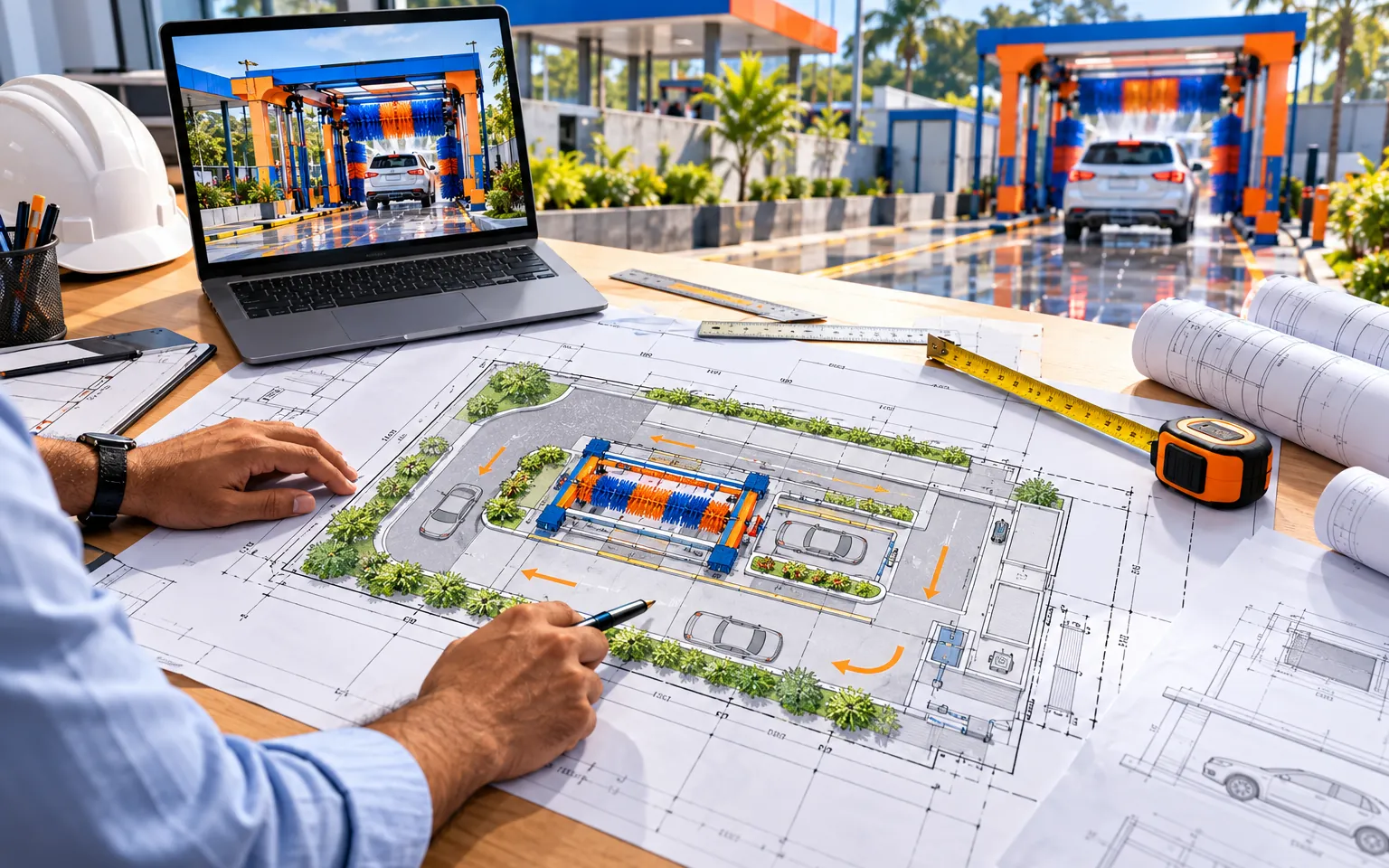
An automatic car wash is a fixed installation. Once the foundations, drainage and utilities are in, moving it is expensive — so the site decision matters more than almost any other.
1. The plot has to fit the machine, not the other way round
A conveyor tunnel needs a long, straight run: the wash line itself plus space before entry and after exit. A rollover (in-bay) machine needs a shorter bay but processes fewer vehicles per hour. Start with the plot length and width, then choose the format that fits.
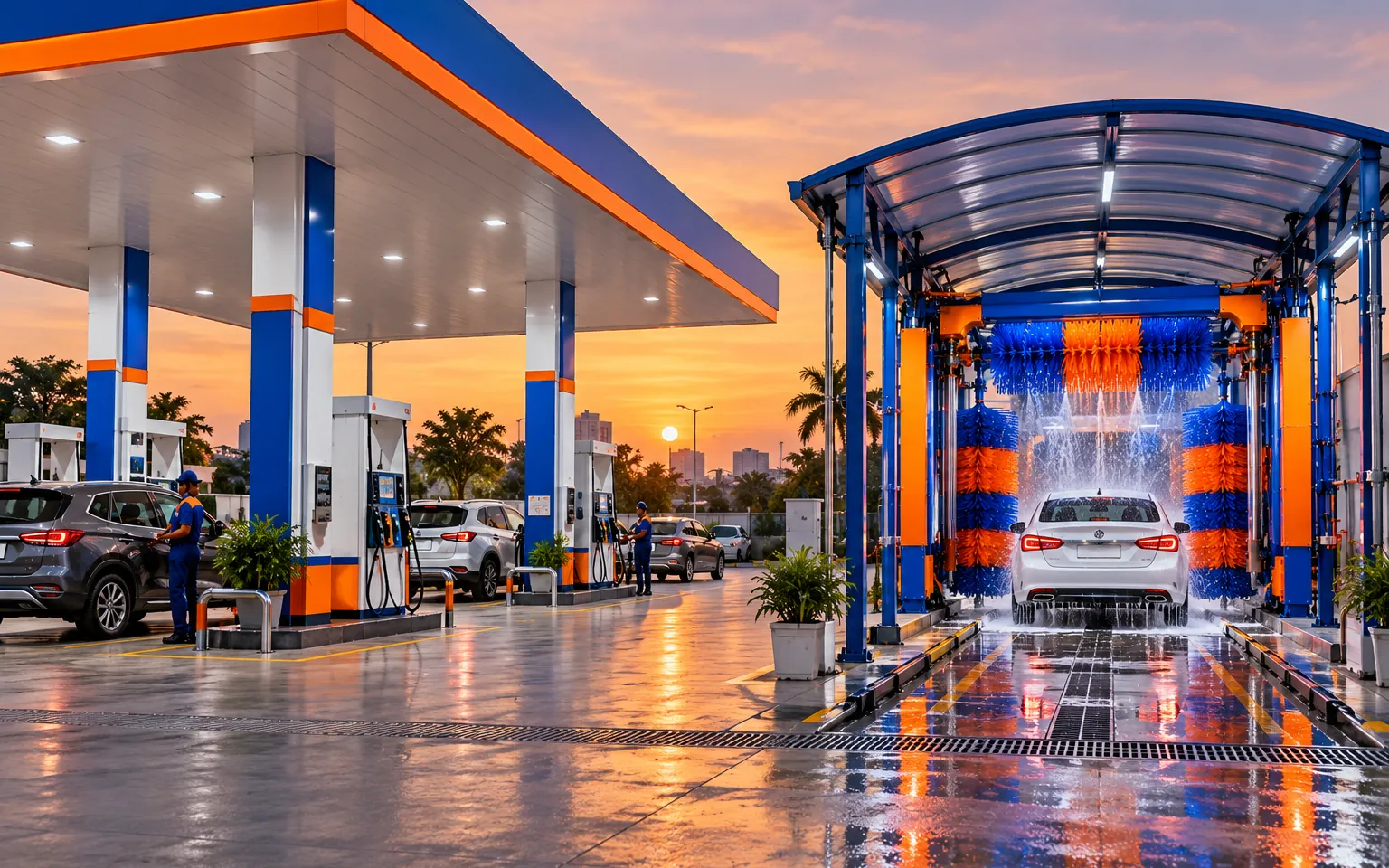
2. Plan the queue
Vehicles waiting to enter must not block a fuel forecourt, a mall entry or a public road. Mark out where cars will stack at peak hours and how they will leave after drying.
3. Water and drainage
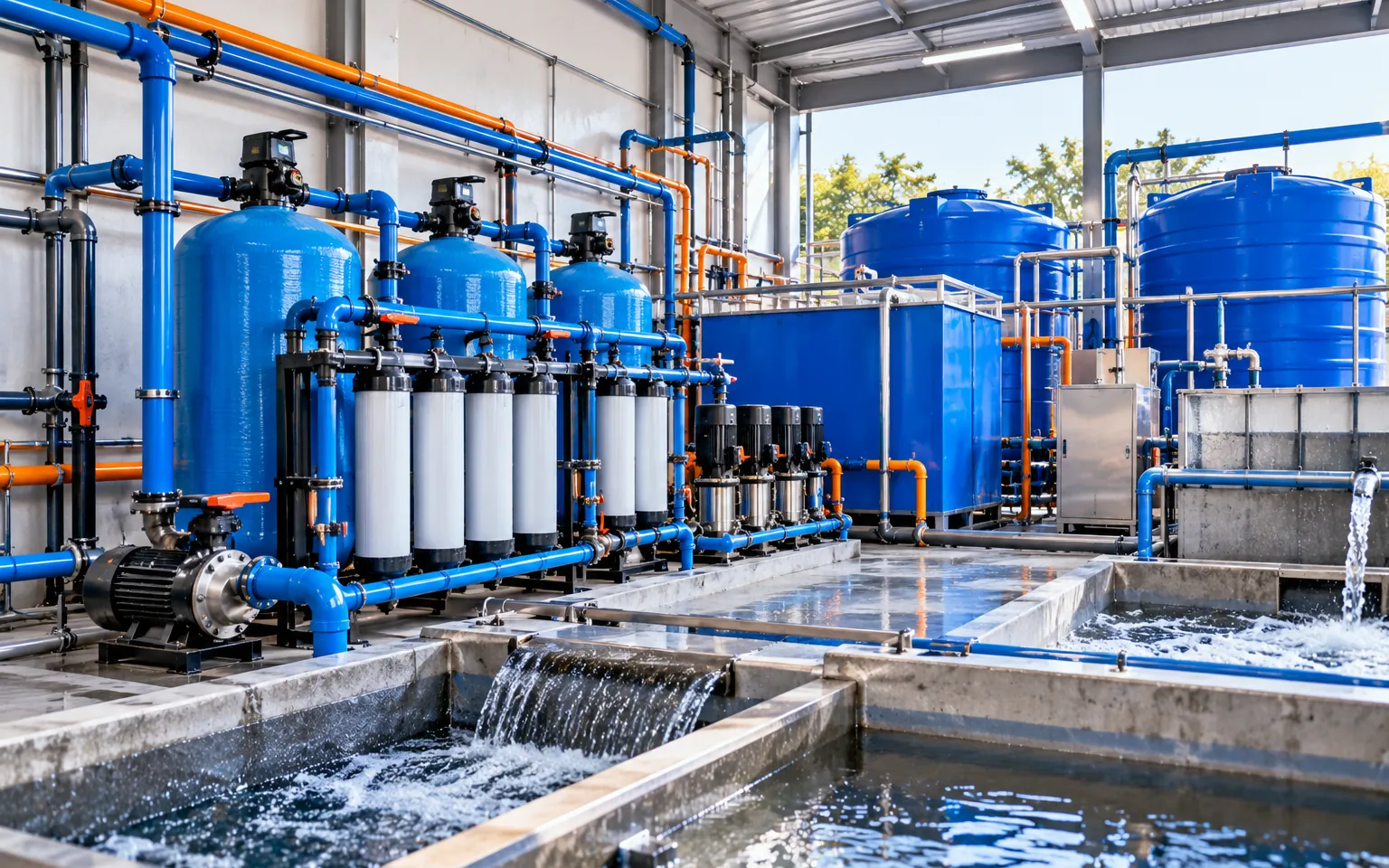
Confirm the water source (municipal supply, tanker or borewell), storage capacity and water hardness. Plan where wash water will be collected and treated. A water recycling system needs its own space for tanks and treatment equipment.
4. Electrical supply
Pumps, brushes, conveyors and dryers draw significant power. Check the sanctioned load and whether an upgrade is needed, and plan for backup power where supply is unreliable. Exact load depends on the configuration.
5. Permissions
Depending on the state and site, you may need land-use permission, a municipal trade licence, Shops & Establishment registration, GST registration, groundwater or borewell permission, a fire NOC and consent from the State Pollution Control Board. CPCB classifies automobile service stations in the Orange category, which requires Consent to Establish and Consent to Operate. Confirm how your SPCB treats car washes before construction.
6. Then look at demand
Visibility, ease of entry, nearby residential density and existing traffic (for example, fuel-station footfall) all influence volume. Record your own traffic counts at different times of day rather than relying on assumptions.
Next step: register your location and our team will review feasibility. No site is considered suitable until a technical assessment is complete.
This article is general information, not legal, financial or engineering advice for a specific site. Illustrations are representative.